


Building Protection During Holiday Shutdown

What You Will Learn In This Article:
To prevent catastrophic pipe bursts.
Secure against water damage.
Boost physical security.
Ensure technical resilience.
Execute the mandatory Final Walkthrough to confirm all winterization and security measures are complete.
December is a time for winding down, but for building operations, it's the peak season for risk. The combination of unpredictable Canadian weather—freezing rain, heavy snowfall, and rapid temperature swings—makes your facility highly vulnerable to power outages, flooding, and costly damage.
If your office is shutting down for the holidays, your focus must be on preventing a frozen disaster. Use this comprehensive checklist to secure your premises against intrusion and the harsh reality of Canadian winter before you lock the doors.
Phase 1: Winterizing Utilities and Cold Zone Prevention
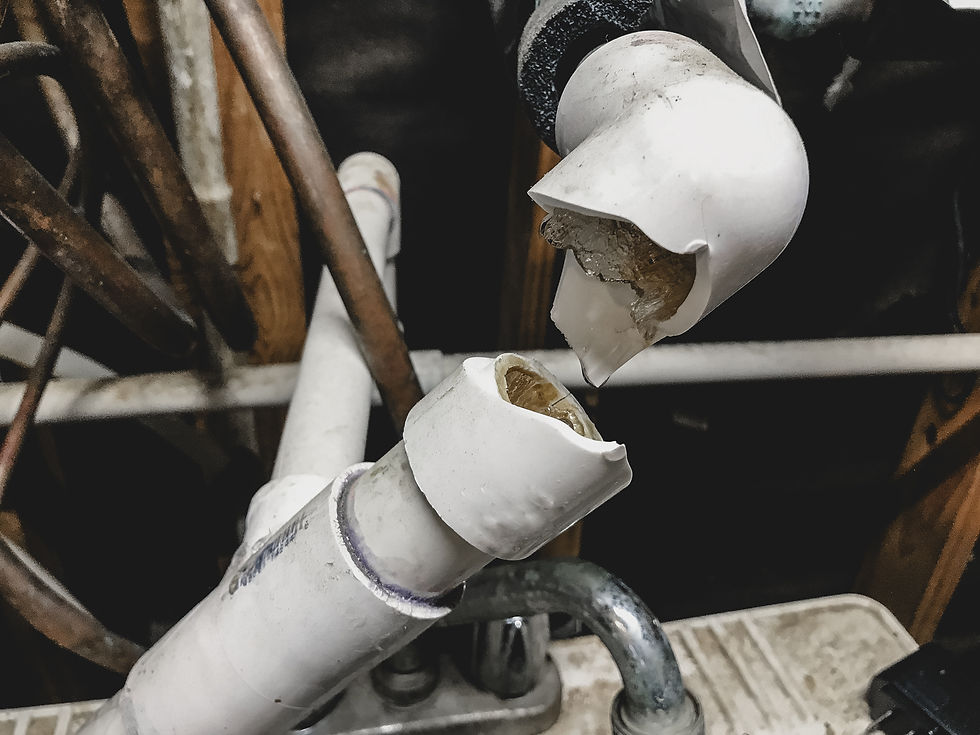
A burst pipe in a -15°𝑪 building can release thousands of litres of water, causing structural and inventory damage that easily runs into six figures. Preventing the freeze is your single most important security task.
1. The degrees 15 °𝑪 Heat Mandate
Minimum Temperature: Do NOT turn off the heat. Set all internal thermostats to a minimum, non-negotiable temperature of 15 °𝑪.
This minimum is critical for protecting water lines within walls and ceilings.
Vulnerable Zones: Check temperatures in often-overlooked cold spots: loading docks, unused warehouse corners, mechanical rooms, and unheated vestibules. These areas require diligent attention.
Heating Fuel: If you use oil or propane for heating, verify that your tank levels are sufficient to last the entire shutdown period, plus a minimum one-week buffer.
2. Water Management and Drainage
Non-Essential Water: Shut off the main supply line to non-essential fixtures (kitchenettes, washrooms, utility sinks) if building codes permit. Drain these lines fully after shutoff.
Exterior Taps: Disconnect all hoses and ensure exterior hose bibs are fully shut off and drained using the interior shut-off valves. This is the most common cause of December pipe bursts.
Sprinkler Integrity: If you have wet-pipe fire suppression systems, confirm the boiler system maintaining the building temperature is functioning reliably.

Phase 2: Physical Security and Perimeter Integrity
December’s long nights and winter road conditions favor intruders. Make your building look active and difficult to access.
1. Access Points and Locks
Door Seals: Inspect all exterior door and window seals. Cold air leaking in can rapidly freeze an adjacent pipe. Use weather stripping if necessary.
Key Card Audit: Deactivate access credentials for any terminated staff. Restrict access during the shutdown to only essential, designated personnel.
Winter Maintenance: Arrange for salting and snow removal services immediately before the closure. Icy sidewalks are a huge liability risk and impede emergency access.
2. Lighting and Visibility
Maximize Lighting: Set external lights and parking lot lights on timers to run from dusk until dawn. Well-lit property is the number one physical deterrent.
Camera Views: Clear all exterior surveillance lenses of snow, frost, or condensation buildup. Test remote access to verify the visual feed is clear.

Phase 3: Technical Resilience and Monitoring
Ensure your systems can survive the common hydro (electricity) interruptions caused by winter storms.
1. Alarm System Verification
Test Connectivity: Arm and disarm the system to confirm successful communication with your central monitoring station.
Updated Contacts: Ensure the monitoring service has the correct, 24/7 contact list of managers available over the holidays.
2. Power Backup (UPS)
Mandatory UPS: Ensure all mission-critical systems—the main server, network router, and the alarm panel—are plugged into and protected by tested Uninterruptible Power Supplies (UPS). A momentary power flicker should not take your surveillance offline.
3. Final Walkthrough: The December Double-Check
The final person to leave must complete this checklist:
All non-essential water lines shut off and drained.
Thermostats verified at minimum 15°𝑪.
Exterior taps disconnected and interior valves closed.
Alarm system tested and armed.
UPS units verified for critical security systems.
By tackling these December-specific cold-weather risks proactively, you ensure a safe and disaster-free return to work in the New Year.


Comments