


Managing Fire Risks During the Holiday Season

What You Will Learn In This Article:
Learn to recognize the three primary holiday fire risks—decorations, electrical overload, and increased cooking—and their specific mitigation requirements.
Understand the necessity of enforcing the use of CSA-approved (Canadian Standards Association) materials for all festive lighting and decorations.
Grasp the critical importance of strictly managing occupancy limits.
Recognize how non-compliance can provide grounds for claim denial.
Implement a collaborative checklist that mandates pre-December 1st fire system audits and clear tenant communication on safe behaviours.
The holiday season—characterized by festive lights, large gatherings, and increased commercial activity—brings an undeniable spike in property fire risk. For property managers and insurance brokers operating in Canada, this period demands a heightened focus on prevention, compliance, and liability mitigation. A single lapse can lead to catastrophic losses, impacting everything from structural integrity to liability claims and subsequent premium spikes.

1. The Triple Threat: Decorations, Electrical Systems, and Cooking
The majority of holiday-related fires stem from three distinct, yet interconnected, risk zones that must be managed diligently across both residential and commercial properties.
Zone A: Festive Decorations
Dried Christmas trees remain a leading cause of severe residential fires. The highly flammable nature of a desiccated tree can lead to a room being fully engulfed in under a minute.
Mitigation Focus:
Commercial/Retail: Strictly enforce policies regarding the use of non-flammable or flame-retardant (FR) certified decorations. Ensure all artificial trees and garlands carry appropriate CSA (Canadian Standards Association) ratings.
Residential (Multi-Family): Issue clear, mandatory reminders on watering live trees daily and the absolute necessity of prompt disposal immediately after the New Year.
Zone B: Electrical Overload
Temporary lighting displays often strain existing electrical systems, particularly in older buildings or retail spaces that introduce new, heavy-duty displays. Faulty or improperly rated lighting equipment is a major ignition source.
Mitigation Focus:
Inspect and Certify: Require that all temporary outdoor and high-volume indoor lighting systems be installed by a licensed electrician.
Circuit Management: Identify and designate specific, properly rated circuits for external displays. Enforce the use of CSA-approved, heavy-duty extension cords and forbid running cords under rugs or across high-traffic areas where insulation wear is accelerated.
Timers: Mandate the use of commercial-grade timers to ensure all decorative lights are off during overnight hours and periods of low occupancy, minimizing the exposure window.
Zone C: Increased Cooking Activity
Both commercial kitchens hosting holiday parties and residential units with frequent entertaining see a spike in unattended cooking, which is the number one cause of home fires year-round.
Mitigation Focus:
Commercial: Verify all kitchen suppression systems (e.g., wet chemical hoods) have current inspection and maintenance tags. Ensure staff is trained on proper grease fire handling, utilizing nearby fire extinguishers instead of water.
Residential: Remind tenants that deep-fat frying and leaving stoves unattended, even for brief periods, is the single greatest holiday risk. Confirm that working smoke detectors are present and regularly tested.

2. Occupancy Loads and Egress Compliance
For properties hosting events—from retail malls with extended hours to apartment common rooms hosting tenant parties—the risk is amplified by high occupancy.
Overcrowding Exposure: Event organizers frequently exceed established fire and building code occupancy limits. Property managers must strictly monitor and enforce these limits to avoid a scenario where rapid evacuation is impossible.
Egress Obstruction: The combination of temporary decorations, vendor kiosks, and crowd flow often leads to the obstruction of fire exits, corridors, or panic hardware on exit doors. This is a severe code violation and a critical liability exposure point.
Broker Insight: Insurance professionals should counsel clients on the implications of fire-watch requirements when suppression or alarm systems are temporarily compromised or if occupancy exceeds standard limits. Non-compliance often provides grounds for partial or total claim denial.
3. Actionable Strategy for Risk Mitigation
To effectively manage holiday fire exposure, property managers should collaborate on the following checklist:
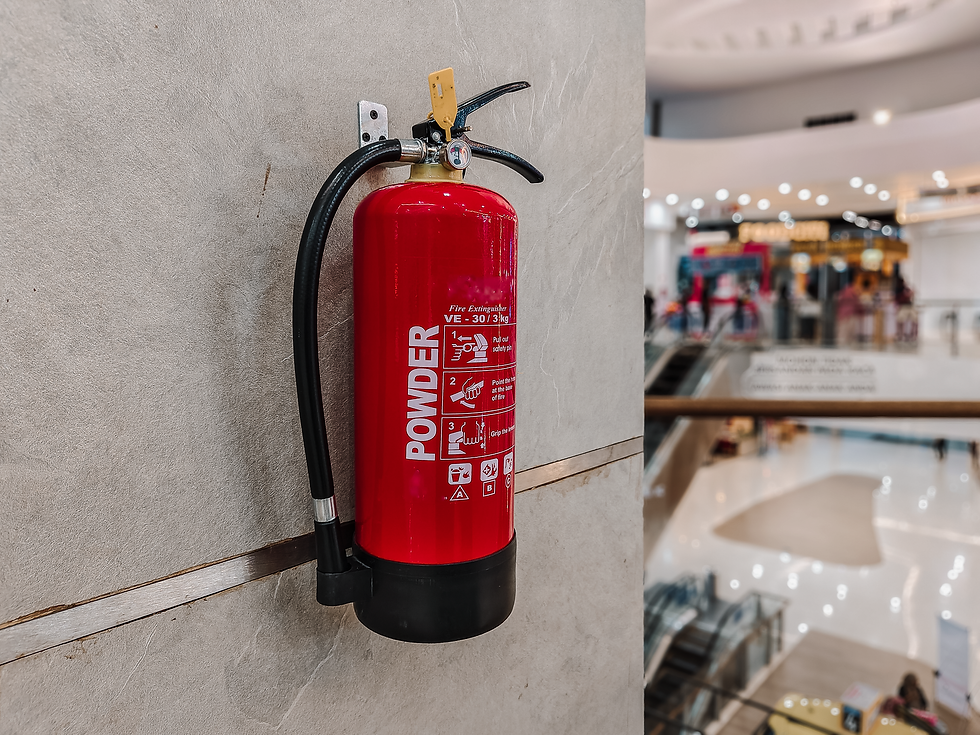
Confirm all fire extinguishers, sprinkler systems, and alarm panels are serviced and tagged before December 1, adhering to provincial/territorial codes.
Distribute mandatory, signed compliance checklists detailing rules for lights, decorations (flame retardancy), and safe cooking behaviour.
Post-event checks to ensure electrical outlets are cool to the touch and that heating systems (especially in mechanical and loading areas) are functional, protecting wet-pipe systems.
Ensure policy limits accurately reflect potential high-value inventory increases (e.g., retailers stocking up for peak season).
Clearly communicate how vacant or unoccupied clauses apply during seasonal shutdowns and what minimum maintenance checks (like the 15°C heat mandate) are necessary to maintain coverage.
By treating the holiday season as a scheduled period of elevated fire risk, property professionals can shift from reactive damage control to proactive, compliance-driven risk management, ultimately protecting assets and portfolios from devastating losses.


Comments